Parenting

How to Adjust to a New Routine

I’ve been talking to my audience and one thing that keeps coming up is the struggle with adjusting to a new routine. It’s September, so that means back to school. That means getting up earlier, rushing out of the house and having to be on your kids about getting dressed and doing anything to get them out the door. If you struggle with this, you are not alone. Here are several strategies to adjust to or create a new routine that your family will love. If they don’t love the new routine, it will be at least tolerable. Maybe even enjoyable.

The Purpose of Your Routine

First, look at your why. Why does this new routine need to happen? It being September, the most obvious reason would be the kids going back to school, but there may be other reasons to start a new routine such as a new baby, a move, the start of a new job etc. Looking at the reasons behind any new routine will help you stay clear and focused.

Planning Your New Routine

To begin creating your new plan, ask the following questions. Write out the answers and share them with family if necessary.

  • What needs to happen in the morning?
  • What needs to happen at night?
  • Who needs to get up when?
  • What could you do to speed up your morning routine?
  • Who will do which tasks?
Mom doing her morning routine

Routine Tweaks and or Suggestions

  • Create a schedule for use of the bathroom if you have to.
  • Maybe kids need baths at night instead.
  • Create a chore chart for the kids.
  • Set out clothes the night before.
  • Pack lunches the night before.
  • Start the routine a couple weeks before the actual change needs to happen.
Mother and daughter morning routine

Practice Gratitude

In order for change to be welcome and to stick, you have to find some benefit in it. It can take at least 21 days for new habits to stick, so don’t get discouraged if anyone in the family slips back to their old ways of doing things.

  • What are the benefits of the new routine?
  • What are you grateful for?
  • Will it give you more time to yourself.
  • Will it give your kids more structure?
  • Will you get more work done?

Relieve Your Anxiety

Is there any anxiety around your new routine? Change can be scary if it is a large change. Humans are creatures of habit so even small changes can be bothersome. If you find yourself resisting, it’s time to look at any anxiety you have around the new routine. Here’s a list of some examples, but you may have some that are different.

  • I’ll be late for work.
  • We won’t get enough sleep.
  • I’ll have to get up earlier and I’m not a morning person.
  • I won’t have enough time to myself.
  • I’ll be yelling at my kids.
  • I’ll feel rushed.
  • My kids can’t do enough for themselves yet and I’ll have to do everything.
  • I’ll be busy looking for things. The keys, a pair of shoes, the child’s homework etc.

Get Organized

One way to beat some of this anxiety is to get organized. Find places to keep things and make sure they are kept there. A basket by the door, a place for the backpack, a hanger for keys, Organize drawers so that clothing or personal items can easily be found.

How to have a morning routine you love

Have a morning routine you love.

Do you feel stressed and hurried in the morning? If so, you will want to create some nonnegotiable rituals. Some examples may be Meditation, exercise, journaling, a cup of tea or coffee, watching the news, watching cat videos etc. Whatever gives you a boost, relieves some stress and can be done in a short amount of time, do it! Even if you have to get up a few minutes earlier. You may have to delegate some tasks or do them the night before. Doing something for yourself in the morning is so worth it. It starts your day on a more positive note and it may only take a few minutes depending on your rituals. If possible, do this before the kids are out of bed. This way you have some quiet time to yourself.

How to adapt to a new routine

To summarize, get clear on why your routine needs to happen if it isn’t obvious. Then create a plan. Who does what tasks and when? Figure out what makes you anxious about the change and then get organized. Decide what you can let go of and what are your non negotiables. Through this process you will create a new routine that you love. If it’s not something you love, it will be a routine you can tolerate. Did I miss anything? What helps you get adjusted to a new routine? Tell me in the comments!
0 comments

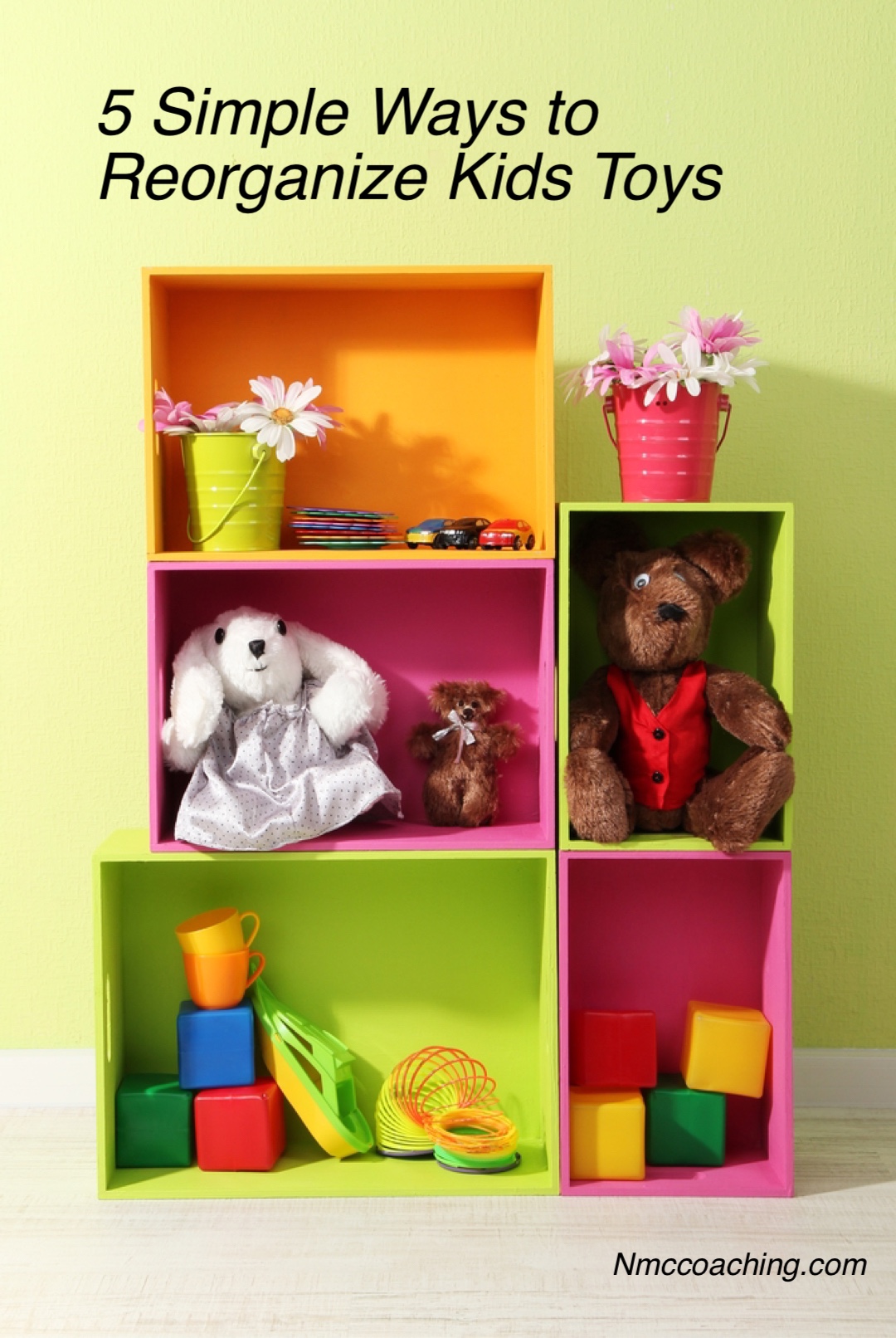
Five Simple Ways to Organize Your Kids Toys

One of my goals for the year is to reorganize my home. One source of constant clutter is all the toys. Well, it’s not even just the toys. It’s the books, games and art supplies too. If you have kids, you know what I’m talking about. Kid’s stuff can take over the entire house if you let it. I thought I was organized until I had Rosebud, but now Istruggle to keep up, but we now have a system in place for toy organization. Here are five simple ways to organize your kids toys.

5 simple ways to keep your kids toys organized

1 Keep Toys Visible

If you keep toys visible, you have more of an incentive to keep them organize. If you shove them in a box or closet somewhere, no one actually sees them. That’s wonderful if you are quickly trying to hide clutter from house guests, but then you and your kids can’t find what you are looking for. You know, the puzzle pieces that disappear or those doll clothes your daughter has been looking for all week. Yes, that happens here. This is the quickest way for toys to get lost. Especially if they are tiny toys.

There are several ways I keep Rosebud’s toys visible.

1. Use open baskets.

Art and craft supplies in an open basketNot only is this a great way to keep toys and supplies contained, but you can find baskets of any size, shape or color to go with any decor.
2. Use clear plastic containers.

Toy organization using clear plastic containers

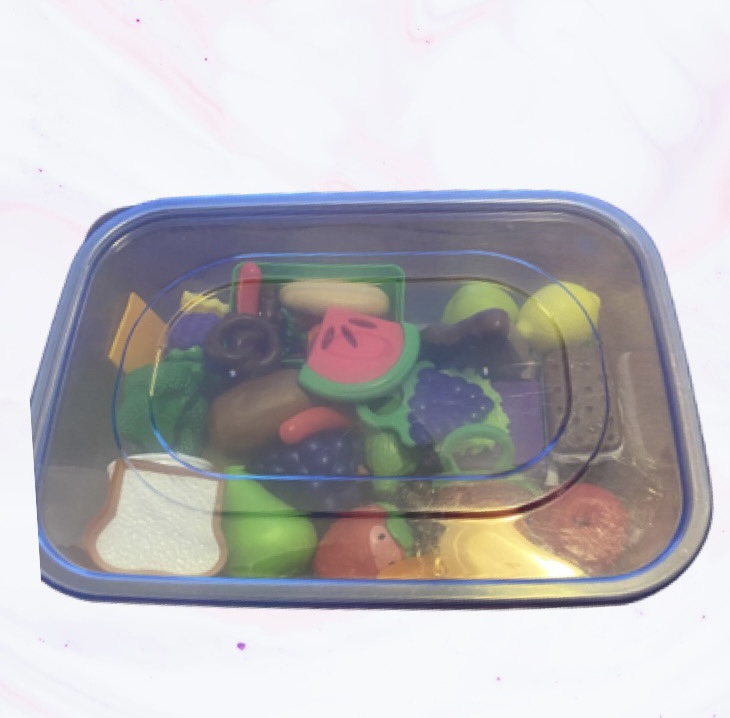
These are especially great for small items or if you are limited on space. We got some of these containers from the dollar store. I’ve had them a few years and most of the containers are still in good condition. They are great for stacking if you have limited space.

3. Use Labels

I don’t currently do this in my home, but this trick is great for open shelves if you want to divide them up. It’s also good for bins that you cannot see through. We do this in all the classrooms I work in and it’s a great way for the children to see how to organize. It’s also a great matching activity as they are matching the toy with the picture.

If your child reads, you can simply label the bins with words as well. If you’d like to print or create custom labels, here are some free

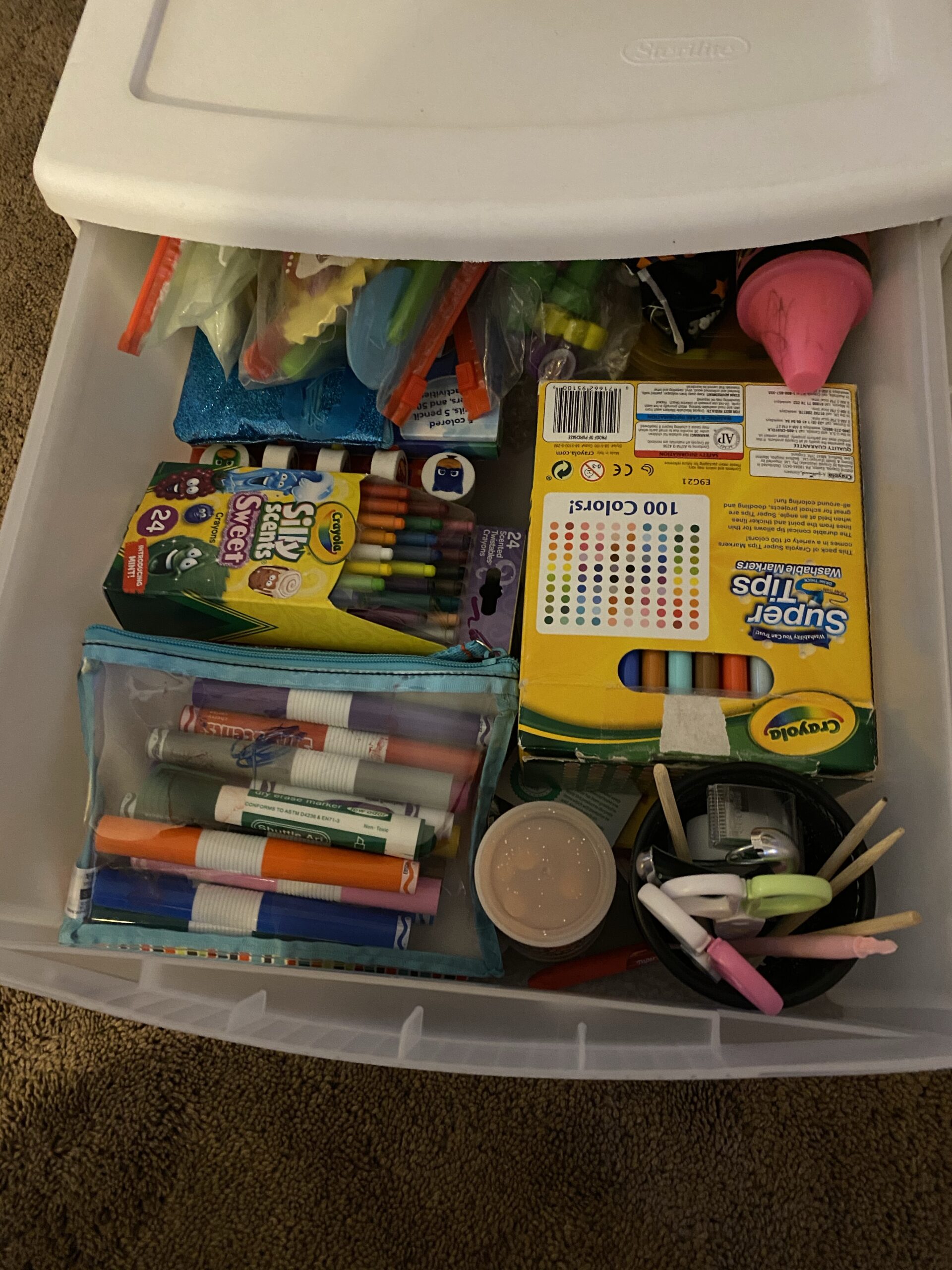
toy bin labels.Neatly organized drawer with kids craft supplies

2 Make Toys Inviting

If you have toys out, most likely children will gravitate towards them, but presentation helps peak their interest. Some ideas for making toys inviting are

  • Keep only a few toys on each shelf with space in between.
  • If toys have multiple parts, put them on a tray, in a basket or box to keep pieces together.
  • Change the set up from time to time. Sometimes just rerranging the toys can make them feel new.

Toys organized on shelves by theme

3 Organize toys by theme

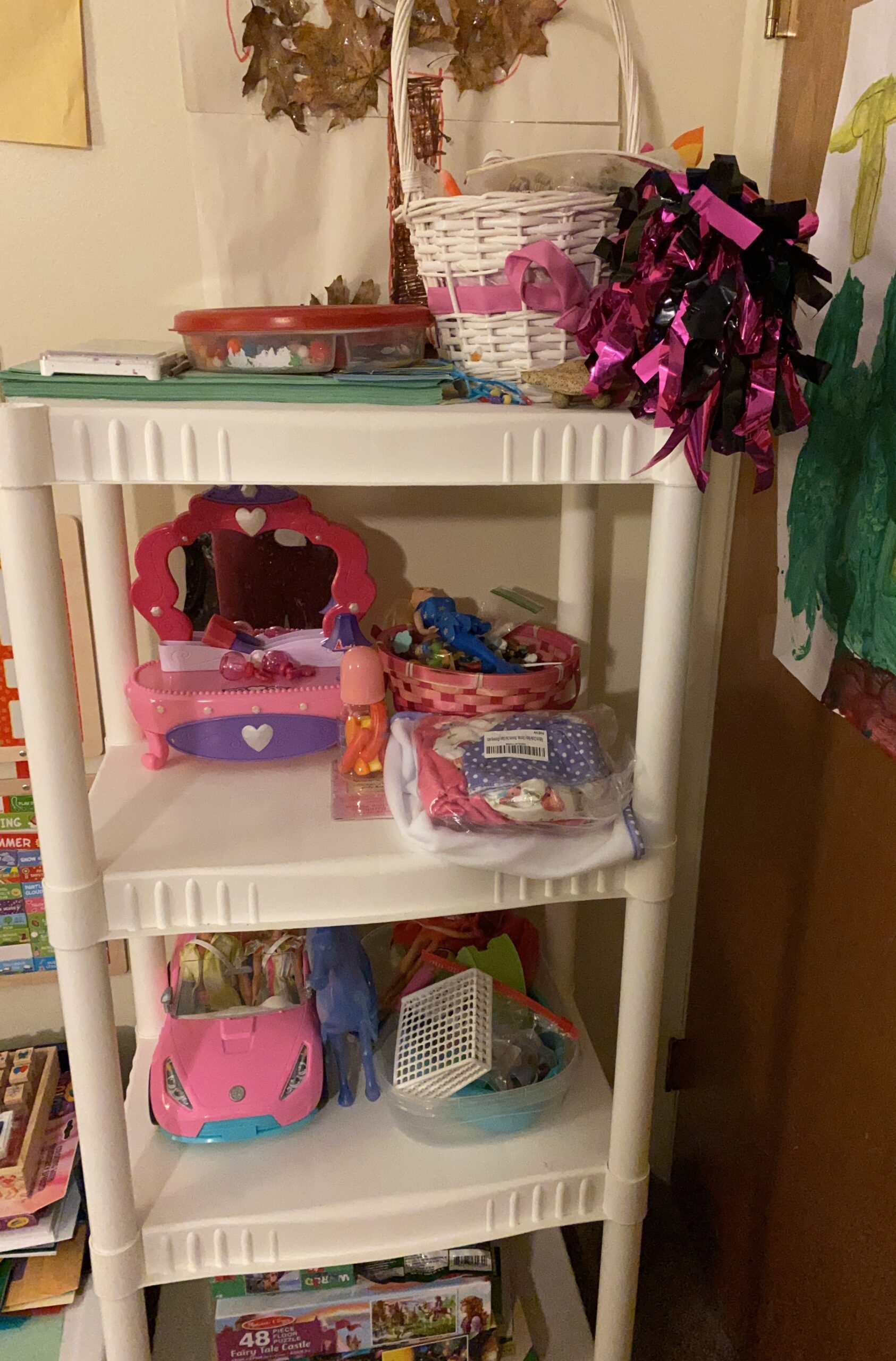
This is how I like to organize toys. We have a science/sensory shelf, a shelf with games and books, a shelf for puzzles and shelves for doll props and dramatic play. This way makes the most sense to me and works best when it comes to toy rotation.

Organized childrens books, toys and games.

4 Toy rotation

Rotating toys is a great way to bring out older toys and to your kids, they will feel new all over again. How often you rotate toys depends on your childrens level of interest in the current toys, how much space you have and how much you plan a curriculum at home. Many homeschooling moms may rotate toys and other items depending on daily lessons or weekly themes. I’m not a homeschooling mom, so I don’t have a regular schedule for rotating toys. I change things up a bit when Rosebud loses interest or if I want to focus on a certain theme. For example, I brought out the Christmas and winter books in mid November. I will be bringing out the spring themed books soon as well as making play-dough and sensory bins related to spring. I also will bring out different themed coloring pages or arts and crafts ideas.

Container filled with collage materials for kids arts and crafts

Speaking of arts and crafts, I use this wonderful container with dividers for collage materials.

5 simple ways to organize your kids toys

5 Get the kids involved in toy clean Up

This is the most important thing of all. Don’t be afraid to get your children to help clean up at a young age. Children as young as one-year-old can help you put things back into bins or put items on a shelf. This helps children feel a sense of ownership for their toys and other items. They will feel good accomplishing a task. Clean up is also a good lesson in tream work. If we work together, we can get things done faster. If we work together, we can keep our home clean and organized. If your children start cleaning up at a young age, they are more likely to help you keep their toys organized as they grow.

Rosebud will pitch in and help with clean up most of the time. There have been the natural consequences of losing toys because they were all thrown together and not put back where they would normally go. Overall, she has adapted to grouping things together and everything has its place.


What is the toy situation in your home? How do you organize toys? Tell me in the comments.

4 Comments

10 activities to help teach your children about gratitude

For the past two weeks, I’ve been talking about gratitude. First, I went over some of the benefits of gratitude. Then I shared a list of 50 journal prompts to help you jump start your gratitude practice. This week, I’ll show you some different exercises that will help you teach your kids about gratitude.

10 Activities to help Teach Your Children About Gratitude

Gratitude Journaling

This adds onto last week’s post filled with gratitude journal prompts, some of which you can use with your kids. These may be fun to explore with school age children. Here are some additional prompt ideas.

  • What are you grateful for about your family?
  • Who are your friends and what do you like about them?
  • What makes you happy?
  • What do you have that other kids might not have?
  • Where are your favorite places to go and why?
  • What do you like about yourself?
  • What do you like about school?

Favorites

Make lists of any of these.

  • People you love,
  • Toys,
  • Games,
  • Songs,
  • Movies and or tv shows,
  • Things about nature,
  • Memories.

The Five Senses

Make a list of the things that you can see, hear, smell, touch and taste that you are grateful for.

If you can’t taste anything in that moment, make a list of favorite foods, snacks, candy etc.

Same goes for smell. What smells do you love?

If your kids aren’t writers, do this exercise on a long drive. What do you see out your window that you are grateful for?

Gratitude Photos

To expand on the journaling idea and to make it more creative, have your kids take photos of the things they are grateful for or draw them.

To add another educational twist, find things from A to Z and make a gratitude alphabet book.

Today I’m grateful for:

Gratitude Collage or Vision Board

Have your children cut out pictures from magazines of the things they are grateful for. You could also have them take photos, draw pictures or print off pictures from the internet. The options are endless. You can also include quotes if they resonate. Younger children could simply make a collage of things they love where older children could make a full vision board filled with pictures, quotes and their goals and dreams for the future. Let them be creative and run wild with this.

Gratitude tree. Start practicing gratitude with your kids

Gratitude Tree

Here’s another great craft to do around Thanksgiving or any time. Cut out or draw a blank tree and some paper leaves. Each day, write something you are grateful for on a leaf and add it to the tree.

Gratitude scavenger hunt

Decide on some objects or things in the environment that you are grateful for and either make a list or find a scavenger hunt printable. Have your kids find the objects and check them off the list.

Girls spelling thank you with blocks.

Gratitude Jar

You can use any glass or plastic jar for this. Take3 several strips of paper and each day, have your child write something they are grateful for and put it in the jar.

Random Acts of Kindness

Kindness goes well with gratitude and this activity is similar to the gratitude jar. Make it a kindness jar instead. Take strips of paper and write random acts of kindness on each. Then every day, pick a piece of paper and complete the act of kindness for that day. Some acts of kindness include:

  • Give a family member a hug,
  • Do a chore without being asked,
  • Write a thank you note,
  • Give a gift,
  • Give someone a compliment,
  • Share something with a friend or family member,
  • Help someone who needs it

Make Donations

Find a favorite charity and either donate money, time or items. If your favorite family charity is an animal shelter, volunteer to walk dogs or spend time with the cats. If you are donating to a food pantry, have your kids help gather food items. One great way to get your kids involved is to have them donate some of their old toys before they get new ones. It helps them to understand that some kids have less and that it’s wonderful to share with others. Plus it helps the environment because there are less toys simply being thrown away.

Grateful girl. Bedtime gratitude practice.

Gratitude Before Bedtime

Why not end the day by talking about the things that you are grateful for? It’s a nice way to wind down and relax. You could make it a ritual and talk about what happened that day to be grateful for as apart of the bedtime routine. If your night time routine is too full, it is also a nice way to wake up in the morning. It could be a relaxing and mood boosting way to start the day.

Meditation

Speaking of bedtime, there are lots of great meditations for kids that are all about gratitude and kindness. If you practice meditation, you may want to get your children involved as well. This is another relaxing bed time ritual or a way to help your kids wake up in the morning.

Reading

We’ve reached the last item on my list. Books are a great way to start teaching your kids about anything and gratitude is no exception. There are tons of books that can help you introduce children to gratitude. I’ll list some of them here.


How to Start practicing Gratitude with Your Kids

Check out this post for more gratitude activities for kids.

Do you have a gratitude practice? How do you get your children involved? Tell me in the comments.

3 Comments

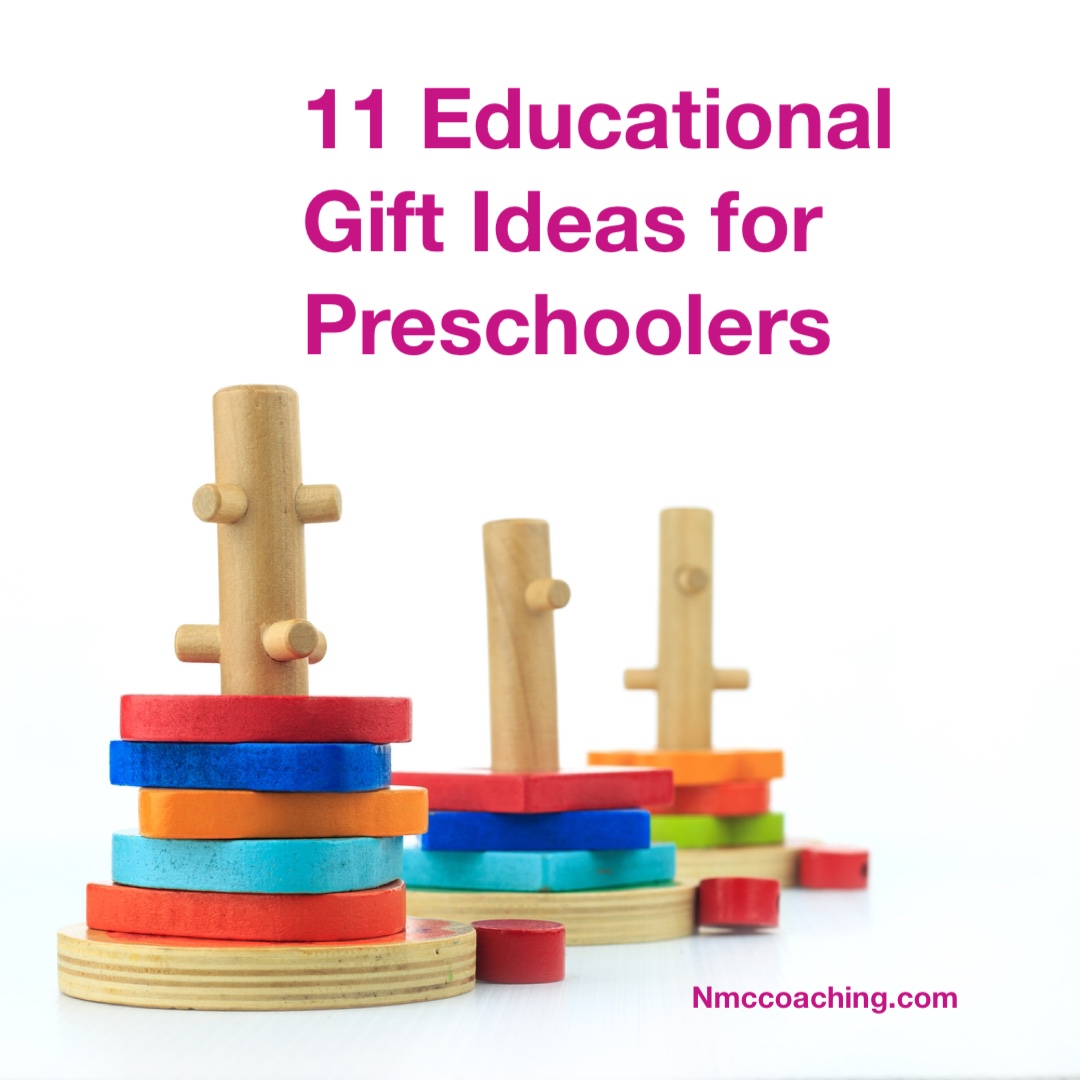
11Educational Toys for Your Preschooler

The holidays are coming up and you might be wondering what to get your preschooler this year. If you are tired of the electronic toys that make endless noise and are looking for fun and educational toys, I got you covered! As an early childhood educator, I’ve worked with many children and have seen lots of toys. These are 11 of the best educational toys that preschoolers love! The best part about these toys are that the kids are learning and they don’t even realize it.

11 Best Educational Toys for preschoolers

1. Blocks

Blocks are some of the best educational toys out there. We have had a set of the Mega Blocks, foam bath blocks, bristle blocks, but Rosebud’s favorite have been these magnet tiles from Picasso. We’ve made houses, castles, boats and even a tree! These blocks are reasonably priced compared to other brands and they get played with a lot!

Your child can learn about spacial awareness, shapes and sizes, height and weight, building, gravity and creativity just to name a few.

2. Kinetic Sand

If you’ve never felt this sand, you’re missing out! This sand is amazing! It doesn’t dry out, is easy to pick up and the kids love it! There are a variety of colors and molds to choose from.

Your child can use this sand to practice fine motor skills such as scooping, molding, stamping etc. They can use the sand to express themselves through their creations or simply pretend they are at the beach, baking a cake or using a dump truck.

Little girl playing and learning with play-dough

3. Play-dough

While play-dough isn’t exactly a toy, I am including it because it is educational. There is so much you can do with play-dough. Anything from creating your favorite sweet treats to making letters and numbers to building sculptures. There are endless options for play-dough. There are just as many activities as there are flavors. Play-dough is even used as a therapy tool in some cases. The best part is it’s fun for children even before they reach preschool age.

Your child can practice his or her fine motor skills such as pinching, squeezing, pushing, pulling etc. Play-dough is another creative medium allowing your children to express themselves. It’s a great sensory experience as well.

4. Water Drawing Pad

If you’re tired of getting paint or marker all over your walls, this is definitely for you. These pens are filled with water and when the kids draw on this pad it changes color and they can draw whatever they want. Some of these pads come with stamps and stencils, but this is a wonderful open ended drawing activity that leaves no mess unless water is spilled. My only recommendation to make this better is to purchase extra pens.

Drawing is a great way for kids to practice writing skills and creativity.

5. Play Food

Rosebud loves playing in her kitchen and these toys from Learning Resources are my favorite food sets. They are made of a smooth plastic material that is easy to clean. They are well made and there are a variety of food sets to choose from. Everything from soup and salad to dessert to multicultural food. They would be great to pair with a kitchen set or on their own. Your child can practice pretend measuring, learning about ingredients, healthy vs unhealthy foods, sharing with friends, creative play etc.

Girls working on puzzle.

6. Puzzles

Puzzles have been a mixed bag throughout my career with preschoolers. Some kids love them and some kids think they are boring, but they are a great educational tool. Rosebud happens to like them, so I’m putting them ont he list. These puzzles are the best I’ve found so far. They are well made, fit together well, have a variety of themes and preschoolers can do these independently.

Puzzles are great for spacial awareness, improving matching and sorting skills, learning patience and practicing concentration.

7. Marble Run

What kid doesn’t like a marble run? These are a big hit in my preschool and pre-k classes. These are pretty self explanitory. You set up the track and the marble goes down. The track can be rearranged to make a different path. Children can learn about distance and gravity. If two children are playing, they can have races and practice taking turns as social skills are important to learn at this age. Marble runs are a great stem toy.

11 Educational Gift Ideas for Preschoolers.

8. Games

There are so many places I could go here because there are so many games to choose from. I’ve listed a few of the games that we like, but the skills that games are great for are learning to follow directions, taking turns and learning about competition, but having fun at the same time.

Depending on what you want your child to practice, you can find a game for almost any skill. There are games for counting, matching, memory, strategy etc. The sky’s the limit, but this is a great age to introduce relatively simple games.


9. Cooking Set

If your child is into cooking with you, that is fantastic! Your child can learn so much from cooking. They can learn math skills such as measuring. Reading skills from reading a recipe. Science, let’s see what happens to the food when it gets hot vs when it was cold. Basically, how the properties of foods change. Cooking is a great way to make your child feel like they are doing real work. If they have pretend toys for cooking that’s great, but I’d suggest getting some real child friendly cooking tools as well for when they help you in the kitchen.


Little girl having tea party with doll

10. Dolls

Dolls are great because children can practice their nurturing skills. They observe what their parents do and tend to act out these situations with stuffed animals or dolls. This is great for their development as it helps them understand their world. The other great thing about dolls is the ability to practice dressing and undressing. This is a perfect way for children to get the hang of snaps, buttons, velcro, laces etc. Rosebud loves to put different outfits on her dolls and I’ve noticed that she has gotten much better at dressing them independently. In turn, she is able to dress and undress herself as well.

I know some people don’t like boys playing with dolls. I see nothing wrong with it, but there are dress up boards that you can use to practice the same skills.


11. Child Sink

Rosebud loves this toy. She saw it at a friend’s birthday party and had to have it. It runs like a real sink and comes with a set of dishes and everything you need to wash them. This is great for working on practical washing skills and kids love to be doing the same things that they see their parents doing. They can also work on scooping and pouring and even imaginative play. I love activities that help kids practice real life skills. Mini cleaning sets are also wonderful for this.

11 Educational Toys for Your Preschoolers

There, you have my top picks for educational gifts for 2020. What educational gifts are you getting your kids this year? Tell me in the comments.

4 Comments

40 Family Quality Time Activities that Won’t Break the Bank

Recently, it has become clear that Rosebud has way too many toys. We often argue about cleaning up the toys, it takes so much time to keep them organized and she is starting to get bored with most of her toys. She has reluctantly agreed to give some of her toys away before Christmas, but we’ll see what she is willing to part with.

40 Quality time Activities for the Family on a Budget

I have realized that maybe I should focus more on experiences and quality time instead of buying toys. I’m a gift giver at heart. It’s my love language, so when I see something she’d like, I get it. The other part is my mindset. Somewhere along the way, I’ve gotten the message that providing lots of material things for your child equals good parent. In my head, I know that it’s not necessarily true. Some parents buy lots of things to make up for not spending enough time with their children. Others do it simply because they can afford it. I know I have to get out of that mindset because lately it’s not serving us and it is the inspiration for this post.

Family time activities that won’t break the bank

I know I can’t be alone! It’s easy to get sucked into this mindset with our culture of consumption. This is especially important with the holiday season fast approaching. To help you mamas out, I’ve created this list of 40 family quality time activities that won’t break the bank.

The great thing about many of these is that you will be making memories with your children and not spending a dime!

Family Time Activities

  1. Have family game night,
  2. Watch a family favorite movie together and have popcorn,
  3. Camp out for a night in your living room,
  4. Play shadow games with flashlights,
  5. Go camping in the wilderness,
  6. Bake cookies or a cake,
  7. Have kids help with meal planning and create a menu,
  8. Make a grocery list and go grocery shopping,
  9. Play I-Spy, (This works no matter where you are)
  10. Have a family photo shoot,
  11. Watch old family videos,
  12. Take a walk together,
  13. Go on a nature scavenger hunt,
  14. Make a collage with what you found,
  15. Look at the clouds and talk about what you see,
  16. Take a walk on the beach, build sand castles or go for a swim if it’s warm weather,
  17. Jump in a pile of leaves,
  18. Play in the snow, (Snowball fight, make snowmen, sledding etc)
  19. Make homemade play-dough or slime,
  20. Create or look through photo albums,
  21. Have a dance party,
  22. Do yoga or some other form of exercise,
  23. Draw a big picture together as a family,
  24. Read stories or make up stories of your own,
  25. Clean rooms in the house and make it a game, (Who can pick up more items the fastest etc)
  26. Drive to a place in town where you’ve never been,
  27. Have a picnic in the back yard or park,
  28. Go to the nearest playground,
  29. Create a family mission statement,
  30. Create a family vision board,
  31. Make greeting cards for friends and family,
  32. Make a homemade game or toy,
  33. Make forts out of pillows and sheets,
  34. Decorate the house for the holidays,
  35. Paint or draw on pumpkins,
  36. Make homemade Christmas ornaments,
  37. Decorate gingerbread houses,
  38. Create a family playlist of songs you love,
  39. Make paper airplanes or kites,
  40. Create a gratitude or kindness jar.

40 Quality Time Family Activities that won’t break the bank

How are you spending quality time with your kids this year? Do you struggle with the amount of toys in the house? Tell me in the comments!

6 Comments

10 Breast-Feeding Essentials for the Working Mom

To continue Breast-feeding awareness month, I am sharing the top 10 essential items for breast-feeding that are useful for the working mom. These are products that I’ve personally used and I’m recommending them to you because they either made my life easier or saved me some time. Here are the top 10 breast-feeding essentials for the working mom.

10 Breast-feeding Essentials for the Working MomA Good Pump

If you are working and still want to breast-feed, you will definitely want a good pump. the great part is most insurance plans will cover a pump at no cost to you. In most cases, you will have several options to choose from. the Medela Pump and Style is popular and the nurses and lactation consultant recommended it to me. I had the opportunity to try it, but I had also bought a Spectra S2 because the reviews were great. I also liked the fact that it was a closed system, meaning that the milk wouldn’t get into the tubing. I did a lot of research before purchasing one because I was one of the unlucky ones and my insurance plan did not cover the cost. I found that the Spectra S2 was gentler, quieter and I got slightly more milk while using it.

Every woman’s body is unique. You may have better results with certain brands of pumps. Some women do better with hand pumps where others may need a hospital grade pump to get the job done. You may need to experiment. My body never responded that well to any pump which is why I needed to pump more often than a lot of the working moms I know. There are many options, so I recommend you do some research and compare features, but I highly recommend Spectra. Their customer service was great which was a bonus!

Baby drinking milk

Pump Parts

Having extra pump parts is definitely a time saver. You don’t want to have to wash pump parts every time. Especially if you are busy at work. Someone suggested it in a Facebook group I was in at the time and I wish I had thought of it sooner. I used one set of parts at work and then I had another set for home. Then at the end of each day, I’d wash all the parts so they were ready for the next day.

Another helpful tip I came across was to put the pump parts in the fridge between sessions so that bacteria wouldn’t grow. This way, you don’t have to wash the parts each time.

Baby bottles

Bottles

Having a good set of bottles is really important. You may have to experiment with this as well because this depends on what your baby will accept. Rosebud would accept any bottle, but some would make her gassy or the flow was too fast even with a slow flow nipple. I tried several different styles, but I settled on these amazing Comotomo bottles. Here’s what I loved about them.

  • The bottle shape was the closest thing to the breast-feeding experience,
  • The size one nipple flowed at the right speed,
  • The bottles were easy to clean,
  • they were made of a soft silicone,
  • I never had a problem with leaking or the nipple caving in,
  • I could easily tell how much milk was in the bottle. There are subtle tactile markings.

Cooler

You’ll need a place to store the milk. A cooler is useful. especially if you have long car rides or if you don’t have access to a fridge where you work. I was lucky enough to have a fridge in the classroom and only had a short car ride, so the milk was always kept cool, but if your situation is less than ideal, a bottle cooler with an ice pack will help keep the milk at the right temperature.

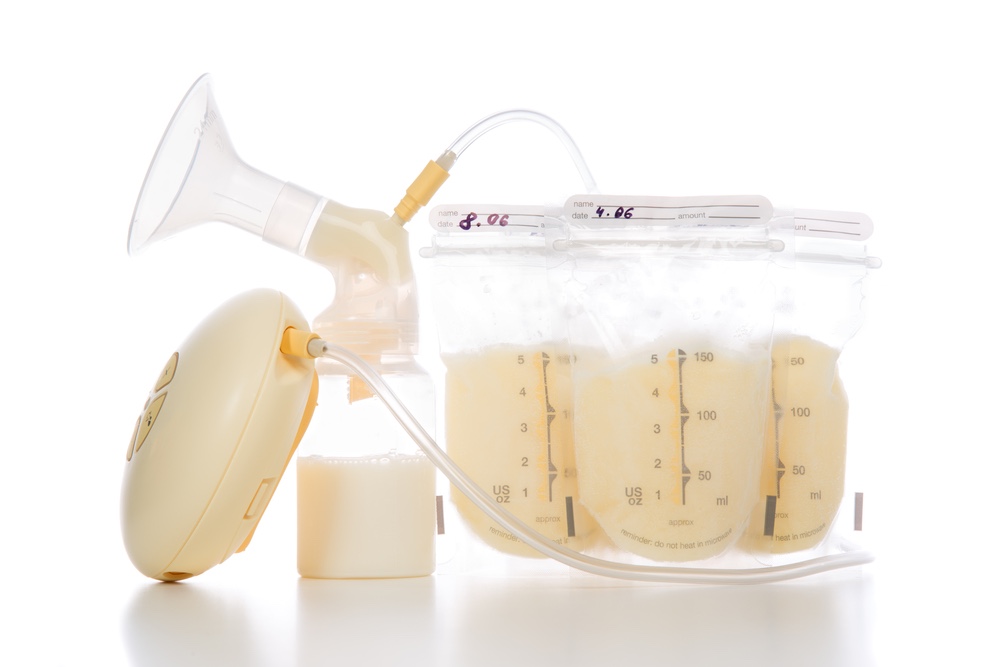
Breast pump and milk storage bags

Breast Milk Storage

Speaking of where to keep the milk, if you are creating a large freezer stash, you will need a storage solution. I recommend these storage bags. They never leaked and I could store them flat to save space in my freezer. You may also want to get these storage containers depending on your needs. I would need the bottles for pumping, so I’d use these containers for storage until I had enough to freeze. You can freeze the milk in these containers as well if that works better for you. They are stackable, so that’s another useful feature.

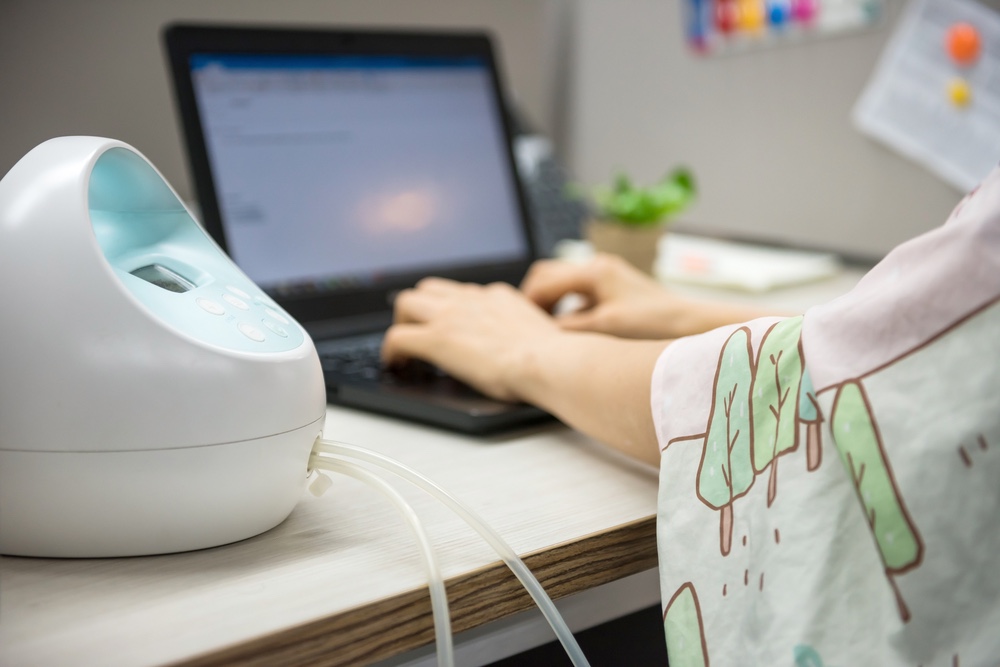
Working pumping mom hands free

Hands Free

I know you’re a busy multitasking mama. In order to make the most of your pumping sessions, you may want to have your hands free. There are these hands free pumping bras that can make your life a whole lot easier. This is the one I ordered, but there are others. I’d suggest trying to find one that you can wear comfortably all day. Especially if you work full-time and have to pump multiple times. Look around and see what would work best for you.

Water Bottle

I had this great water bottle from Target, but there are so many options out there. Just make sure it holds plenty of water because you’ll need to stay hydrated.

Busy working mom

Snacks

If you are breast-feeding, chances are you’re always hungry. It’s a great excuse to eat some of your favorite snacks. There are some healthy options that also increase milk supply. There are smoothies as well. You can either buy prepackaged snacks or mixes or make your own.

Coconut Oil

You may need something to relieve soarness or discomfort during pumping. There are medicated creams you can get from your doctor, but I found that coconut oil worked just as well. I liked it because it was a natural option. However, if you are in real pain, don’t be afraid to ask your doctor for the medicated cream. Especially in the beginning when the discomfort is at its worst.

10 Essential Breast-feeding Items for the Working Mom

Your Choice

The last item on my list is something just for you, but it has to be something that makes your experience more enjoyable. Find a way to take care of yourself. Pumping and breast-feeding takes so much time and effort. You are giving your baby a huge gift, so reward yourself. Here are some ideas to make your pumping sessions a little more relaxing.

  • A favorite snack healthy or not,
  • Watching a favorite show on  Netflix,
  • reading a book,
  • Looking at pictures of your baby,
  • Soothing music or sounds,
  • Listening to your favorite songs or an inspiring podcast.

Did I miss anything? Tell me in the comments. For more tips and inspiration, be sure to like us on Facebook!

2 Comments

5 Truths Working Breast-feeding Moms Must Know

In honor of World Breast-feeding Week, I’m sharing the truths that working breast-feeding moms must know. It’s crazy how something that is supposedly so natural can be so difficult even when you’re with your baby all the time, but being a working mom throws even more complications into the mix. Continuing to breast-feed while going back to work can be challenging which is why I’m writing this post. Part of my mission at NMC Coaching is to provide moms with the information they need to be successful. Here are five truths that you should know if you are a working breast-feeding mom.

5 Truths the Working Breast-feeding Mom Must Know

Combination Feeding is Possible

Generally, I wouldn’t start off a post about breast-feeding talking about formula, but I think this is important. Many moms feel guilty if breast-feeding doesn’t work out for them. They may feel as if their bodies let them down, they aren’t strong enough, there’s something wrong with them etc. First off, I’m telling you that you’re amazing regardless of how you feed your baby. This debate can get controversial and you may get mixed messages, but it is possible to combination feed. Maybe your body doesn’t respond well to a pump making it difficult to get enough milk for your baby while you’re at work. Maybe your workplace isn’t conducive to breast-feeding moms. They all legally should give you place to pump, but unfortunately we live in the real world and not every employer follows guidelines or cares about families. Maybe you just don’t want this hassle. Whatever your reason is for wanting to combination feed, it can be done.

If your baby gets formula while you are working, your body will eventually adjust and produce at the times when you are normally with your baby. For example, if you want to only feed at night, your body will decrease milk production during the day. Some breast milk is more beneficial than none which is why some moms may choose this option. If you are trying to build your supply, this is not recommended because it can tank and you may end up giving more formula than intended.

Combination feeding can be a stepping stone to exclusively breast-feeding as well. This is what I did with Rosebud because my milk supply was very low in the beginning. I had to go back to work and my supply was not fully established, so Rosebud would get some formula during the day. After several weeks of a regular feeding/pumping schedule, I was able to take her off the formula completely. I was able to reach the feeding goals I had set for us, but it wasn’t without tears and lots of time attached to a machine. My final thoughts on combination feeding are that there’s nothing wrong with formula. We are fortunate to have options for our babies and there should be no guilt or shame for choosing what is best for our babies.

Mom breast-feeding baby

Make pumping a self-care ritual

I know, it sounds strange, but if you are returning to work, chances are you will be pumping multiple times throughout the day. Some moms may need to add additional pumping sessions to make enough milk for their babies. With all that time being attached to a machine, you want to make it as bearable as possible, so why not use pumping time for self-care? Self-care is hard to come by for new moms, but if you have the right set up, you can make this time enjoyable. Depending on what pump you have, you can definitely multitask. There are pumping bras that you can buy to make pumping hands free and some pumps are battery operated so you can bring them on the go. I will do a separate post with a list of essential items, but for now I’m giving you food for thought. Here is what I did to turn pumping into me time. The more relaxed you are, the easier it will be to make milk.

  • Listen to an Audible book,
  • Watch videos or tv shows,
  • Look at photos of your baby,
  • Eat your favorite snack,
  • Watch your baby play,
  • Listen to your favorite music,
  • Meditate,
  • Listen to soothing sounds,
  • Text with friends.

Useful Pumping Tips

  • Eat foods that boost your supply,
  • Make sure you have the right sized flanges,
  • Buy extra bottles and pump parts so that you will only have to wash and sanitize once per day,
  • Check with your insurance. Most will pay for a breast pump.

Mom bottle feeding son

Paced Feeding

If your baby is with a caregiver while you’re at work, they may find it difficult transitioning from the breast to a bottle. To ensure that this is smooth transition, the caregiver should ensure that the bottle feeds are as similar to breast-feeding as possible. You can do this with paced feeding. The milk comes out of the bottle much faster which may make the baby frustrated during breast-feeding. There are several ways to help with this. The caregiver should slow the feeding down. Give smaller amounts and then remove the bottle, stop to burp, have the baby sitting up a bit and have a slow flow nipple. I always kept Rosebud at a level 1 for this purpose. You’ll also want to look at the bottle shape.

These are the best bottles I found. I’ve tried many.

Here is a demo video on paced feeding so you get the idea.

Support System

Some people don’t understand why you would choose to breast-feed when you could just use a bottle. I chose to because of the benefits for a babies immune system plus it’s a low cost option. However, I didn’t realize what I’d need for supplies and those cost money. I still think it was cheeper in the long run. Whatever you’re reasons are, you’ll want to find supportive people to reach out to if you need to vent, share a milestone or ask questions. If you have a supportive partner who helps you out, that is the best! Some things your partner can do to help are washing bottles and pump parts, watching the baby while you pump, giving you time to take a bath and relax or just being with you during feeds so you have someone to talk to. Of course, you may not want any of those things. Communicate with your partner and tell them what would be the most helpful.

If you have friends in a similar position, that’s wonderful. If you don’t, look for baby groups in your area or join some Facebook groups. These groups are amazing. Not only can you get support, but there is a wealth of information. If you have a family member who has been on this journey before and they are willing and able to help, that’s awesome as well! Don’t be afraid to reach out to someone. Breast-feeding can be rewarding, but it can also be frustrating and complicated. As they say, a problem shared is a problem halved.

Happy baby looking at camera

The Truth About Bonding

We always hear about breast-feeding being this magical bonding experience. Well, I’m here to tell you that that’s a bunch of bull. While it may be this way for some women, it’s not the case for all and you don’t have to feel guilty for not feeling it. It can definitely make you and your baby closer. You are its food source after all. I saw it as a way to feed my baby and I don’t think I’d have bonded with her any less if I had bottle fed. My journey started out rough. Rosebud had a tongue tie, I had complications from my C-section making my supply low and Rosebud was frustrated and push me away. This only made me feel sad, angry, frustrated and guilty because my body wasn’t doing what it was supposed to do. We overcame this by concentrating on feeding at night when she was more receptive and eventually, she decided this would be a good thing during the day too. By that point, it was all about the mechanics and whether she had enough milk. There was no bonding to be done, but as time went on, we reached these milestones together and I felt much better about the journey.

I was also seeing the benefits first hand. I’d get sick with colds and whatever the kids were passing around, but she seemed completely immune. I was sold on that alone, so I kept going and our breast-feeding journey came to an end when she was 18 months old. That was farther than I ever thought we’d get or than I ever wanted to go, honestly. Whatever your feelings are, embrace them. They are uniquely yours and you shouldn’t feel any guilt.

Tips for working breast-feeding moms

To summarize, it’s possible to combination feed, pumping can be bearable, your caregivers should pace feed, you need a support system and you may or may not bond with your baby through breast-feeding. No matter where you are at on this journey, I hope you’ve found this post helpful. What do you wish you had known about breast-feeding before you started? Tell me in the comments. If you are having trouble getting your baby to sleep through the night, be sure to subscribe to my mailing list to get your free baby sleep guide!

0 comments

Delegate or Delete

Whether you are a working mom or a stay at home mom, there are never enough hours in the day to complete that never ending todo list. It’s filled with work, cooking, cleaning, running Aaron’s and the endless tasks that come with having children. Is your todo list as long at the end of the day as it is in the beginning? Are you overwhelmed by clutter and kids toys? Are you tired of feeling like you do it all? If so, it’s time to delegate or delete! Keep reading to learn why you should delegate, the benefits of deligation and how to get some much needed free time.

Delegate or Delete how to increase productivity

Why Delegate?

If you’re anything like me, you feel a great sense of pride and accomplishment from achieving your goals. My number one goal is to ensure that my daughter is well loved and has everything she needs. Part of that goal includes maintaining a clean home, cooking relatively healthy meals and running errands. Then there’s my regular day job, blogging, the coaching business etc. Not to mention the time that we spend playing because a life without play is not worth living. While playing is wonderful, it can come with the guilt of not getting to all those annoying tasks on the todo list. Giving up some of that control may feel uncomfortable, but discomfort is what helps us grow. If you’re not filling your day with time wasting tasks, you can spend your time doing things you actually enjoy.

Sometimes, there is no one else around to help, but even if there is, it’s difficult to hand over that control. The task may not be done to perfection and that can be hard to accept. My mantra has always been if you want it done right, do it yourself. Needless to say, that hasn’t served me well in the mom game. I am a single mom, so I don’t have a partner to delegate to, but there are other options. If you are a single mother as well, we may have to think outside the box, but there are ways to delegate those mundane tasks and free up some of our time. We may not have partners, but our kids can help us do many of the household chores.

Delegate or Delete how to have more free time

Benefits of Delegation

  • Less stress,
  • More free time,
  • Family working as a cohesive team,
  • Teaches children responsibility,
  • Gives family members a sense of pride,
  • Teaches children life skills,
  • Responsibilities are shared making for better relationships.

Multitasking mom working from home with children

How to Delegate

  • 1. Grab a notebook and for 5-7 days write down each task you complete.
  • 2. Put stars next to anything that can be done by someone else.
  • 3. This is where the delete comes in. Look at your list and then put an X next to any tasks that aren’t either absolutely necessary. Especially the unnecessary tasks that you don’t enjoy. There, doesn’t that feel better?
  • 4. Assign tasks to family members. Make a schedule or chart to help everyone remember.
  • 5. Make a weekly schedule for things like errands, meal prepping etc. If you know you will have a busy evening coming up, plan your menu ahead of time so that you save time knowing what’s for dinner or have freezer meals prepared ahead of time. If you have errands to run, have the person go who will be closer to the store, bank etc to save on driving time.
  • 6. If it is in your budget, you may want to hire out some of your work tasks if you run your own business.
  • 7. Depending on your budget, you may want to invest in a cleaning service or meal delivery service.

Multitasking mom with groceries, phone and child

Tasks to Delegate

  • Cleaning children’s rooms,
  • Cleaning common areas,
  • Organizing toys,
  • Shopping,
  • Work/office related tasks,

Children as young as 18 months old can be taught to pick up their toys. It is especially helpful for children if bins or shelves are labeled with a photo of the toys. That shows them exactly where the toys should go. Bins are great because they can be covered and stacked to save space. Depending on their age, children should be able to make their own beds, put their belongings away, put dishes in the sink or dish washer, throw trash away, take care of their personal hygiene, pack their school bag etc.

Delegate or delete; boost your productivity & get rid of that todo list

Delegating will be hard at first, but the hard road is usually the right road. Not only will you be a more productive mom, but you will be a less stressed and happier mom. Meanwhile, your children will be learning to take pride and responsibility for their belongings and home. The best part is your family will be working together as a team! What could be better than that? Do you delegate chores at your house? What chores were you able to delete from your list? Tell us in the comments.

0 comments

Why You Should Say Your Sorry to Your Children

Have you ever had one of those days? You know, the days where your kids won’t stop asking you for things. The days when you try to hide anywhere where you can lock the door to have a moment of peace. You may be in your bathroom just trying to do your business with someone knocking at the door. Maybe you’re trying to sneak a snack in your pantry closet with someone in hot pursuit wanting to know what you are doing. Yes, I’m speaking from experience.

What about the days when you are on edge and when your prescious little one asks you for something one too many times? When that happens, how do you handle it? Well, I’ll admit, there are definitely times when I lose my patience. Every mom knows that it’s unavoidable. At one point, you will snap at your children or make other cringe worthy mistake which brings me to the original question, why should we say sorry to our kids?

Why we should apologize to our children

We are all human beings

This is common sense, but there are many parents out there who don’t make a point of apologizing to their children when they make a mistake. They feel that they are the parent, they are in charge and children should just comply. Everyone makes mistakes, so I’m not sure what is behind this thinking. Maybe it’s fear of losing some of that power/control but I believe that when you make a mistake and learn from it, you have more knowledge and power than when you started.

Also, as human beings, we all want to be treated with respect and even though our children are little, they are beings with needs, wants and feelings who are taking everything in and learning how our world works. Don’t we want that world to have as much kindness and fairness as possible?

Busy mother and daughter cleaningIt is good role modeling

Much of what our children learn is from what they see us doing. As their parents, we obviously have a huge influence in the way they think and feel about themselves and others. How can we expect them to be able to accept responsibility for their mistakes and actions if we don’t show them?

This past weekend has been extremely rough at my house. There has been lack of sleep, extreme clinginess and everything goes in one ear and out the other. I hate to say it, but my patience has gone completely out the window. After hours of hearing mommy, mommy, mommy, play with me now, make this for me now, turn on the tv now, I want this, I want that, I snapped. I was exhausted from trying to do small things like putting dishes away, make dinner, getting dressed etc and being constantly  interrupted. This was in between hours of play time, so Rosebud was getting plenty of attention as I have been trying to limit the time I spend working. When she came in the kitchen while I was making dinner demanding chocolate milk, I lost it. I yelled at her to stop and leave me alone. I just wanted a moment of peace. I told her to just go watch tv and to stop bothering me.

Overwhelmed mom in kitchenAbout five minutes later, she came back and asked for a hug. Of course, I gave her a hug. In that five minutes, I felt horrible about yelling at her. Even though I didn’t say anything crazy, she only had a small request and I handled it poorly, so I apologized. I told her that I was sorry for yelling at her and that it wasn’t a nice thing to do. I explained that when she is constantly asking for something while I’m busy it is really frustrating. I told her that I love playing with her, but sometimes I need to do other things that are important as well. In turn, she said she was sorry and we agreed we were still friends. It’s a little ritual we have.
Mom reading bedtime story

The Results

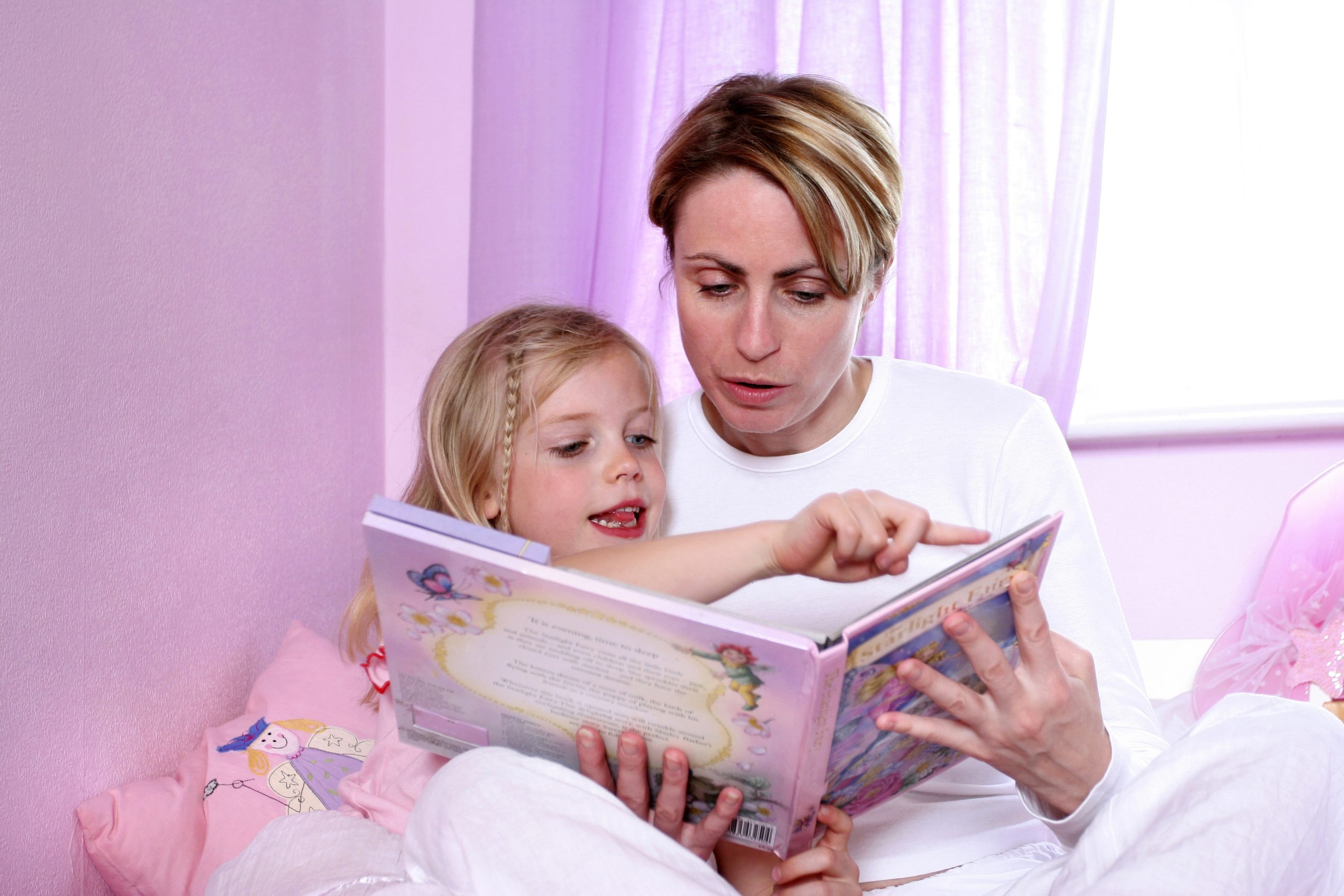
Unfortunately, this wasn’t the first parenting mistake I’ve made and it won’t be the last. It’s also not the first time I’ve  apologized to Rosebud. Even if I don’t do it right away, I may say something when we’re having snuggle time before bed. Now, she does the same thing. If she thinks about something and feels bad for something she’s done, she tells me.

For example, we have a strawberry plant and last year, she ate the strawberries as soon as they popped up. She didn’t even wait until they were red, so we kept telling her to wait and let them grow, so that they are edible. Rosebud has an amazing memory, so during our quiet time yesterday, she told me she was sorry for eating all the strawberries last year and that she would let them grow big this year. This is a funny story, but she does this with serious issues as well. She’ll  apologize for hitting, breaking toys, not cleaning up etc. It leads to some really thoughtful and wonderful discussions.

Why we should say I’m sorry to our kids

This goes to show that even on crappy days when we feel like the worst moms ever, we are actually not. Yes, we make mistakes, but it’s how we handle them that really matters. When our children grow up, will they remember how we yelled at them about chocolate milk or will they remember that we snuggled with them before bed. Will they remember when you hid in the bathroom to get away from them or will they remember what you taught them about caring about the feelings of others? They will remember that we valued them as human beings. That we cared for them and loved them even when it was hard. Even when we are grumpy, make mistakes or feel like we haven’t done anything right, our kids forgive us and love us unconditionally. That’s what makes this mom thing all worth it.

If you enjoyed this post, please share it. Thank you.

2 Comments

10 Calming Activities for Kids

Although things are starting to open up a bit depending on where you are located, most of our kids are still at home. Whether you have kids of different ages that you are trying to homeschool or if you are trying to work from home yourself, it can be a challenge to keep the younger kids occupied. It’s especially difficult to keep kids quiet or calm while being cooped up in the house and there’s only so much screen time you can handle. If you are at the end of your rope and just want some peace and quiet, keep reading for my list of the top quiet calming activities for toddlers and preschoolers.

10 Calming Activities for Kids

1. Puzzles

Puzzles are great because they are quiet, teach problem solving skills and depending on the ages of your children, they can be worked on independently. The other bonus is there are puzzles for all ages. You could have a 4 piece puzzle for your young toddler or a 500 piece puzzle that you work on over days as a family.

I also like puzzles because they can be a great way to introduce different concepts or reinforce things you are already learning about. Rosebud has become interested in maps and space lately, so I bought her two puzzles. One is of a map of the U.S. and the other is this wonderful puzzle of our solar system. She enjoys seeing the pictures of the planets close up.


Glitter sensory bottle

2. Sensory Bottles

I’ve seen different names for these bottles. Some people call them sensory bottles, discovery bottles or calm down jars. Basically, you fill a bottle with water or another base material and then add interesting things to it. You glue the top shut and let your child look at the bottle. There are literally a million different ideas out there. Here are some ideas for your bottles.

  • Color mixing: Add drops of food coloring with the water in the bottles and see how different colors mix.
  • Alphabet: Add water and beads with the letters in a bottle and then see if your child can find the letters.
  • Princess: Add water, glitter, jewels and let your child choose a color. See if your child can find all the jewels.
  • Shapes: Add water, a color and different shaped items. See if your child can name the shapes.
  • Beach: Add sand, water, shells and or rocks. Play beach sounds for a nice relaxing activity.

Marshmallow House Sculpture

3. Marshmallow Sculptures

All you do is set out a tray with marshmallows and tooth picks and then let your child create a master piece. This is a wonderful activity to help with those fine motor skills that is perfect for preschoolers. Toddlers can do this as well, but need more supervision. This activity lets kids use their imagination and it is quiet. If you don’t want to use the regular marshmallows, there are these foam marshmallows that would work.

4. Jewelry Making

Here’s another activity that is great for strengthening those fine motor skills. Depending on the age of your child, this activity will look different. If you have a young toddler, you may want to use yarn and pasta with close supervision. They have bead stringing sets that you can reuse. These sets are great because they are sturdy and perfect for a toddler’s little hands.

If your child is a little older, you can use string or gimp with pony beads and make something that resembles jewelry. In my experience, boys and girls alike enjoy making bracelets or necklaces for themselves or family members. If your child is s school age, you can get an actual jewelry making kit and see what they come up with.

Little Girl Listening to Headphones

5. Audio Books

I love audio books because they are a great way to keep a child occupied for a few minutes while you need to get something done. You can find audio books on Amazon on CD or digital download. Right now Audible has stories that you can listen to for free while the children are out of school. There are many people who are reading stories on Youtube as well. This is still screen time, but it’s a form of reading time that can capture your child’s attention.

6. Felt Story Boards

To go with books, felt story boards are a wonderful way to make reading time interactive. The wonderful thing about felt boards are they are super quiet. You have lots of options here too. There’s everything from The Very Hungry Caterpillar to the felt alphabet to dress up. You can either buy kits to cut out at home or ready made kits.


Sensory bin with scoops and cups

7. Sensory Bins

Similar to the sensory bottles, there are a million ideas out there, but I’ll focus on the quieter options. Sensory bins can help your child practice fine motor skills, math, science, imaginative play and they can be very calming depending on what you put in them. Here are some ideas.

  • Cotton balls and or pompoms for scooping/pouring, sorting by color, shape and or size, add tongs to help your child practice fine motor skills.
  • Water, scoops, cups, shells, plastic fish. This works well for an ocean theme or as a calm down activity. Water. Has been proven to have a calming effect.
  • Small world: Fill a basket with mini dolls, doll furniture, little animals etc. Let your child’s imagination come alive.

8. Matching Games

Here’s another activity your child can do independently. There are matching games out there to fit any theme or interest. You can make your own or buy them. Matching games help children learn to sort and classify items. Rosebud loves this cupcake shape matching game and this cookie alphabet puzzle where you match the letters. To help her with her counting, I got her this popcorn game that has cups with the numbers on them and you have to count out the pieces of popcorn to match the cups.


Blocks in the shape of a heart

9. Blocks

You’re probably thinking, how can blocks be quiet and or calming, but these foam blocks are wonderful for toddlers. They are light weight, quiet and have several shapes to build with. Blocks are great for helping kids with spacial awareness, learning shapes and sizes, creativity and allowing them to experiment. If you add little animals or people, they can get even more involved in their play.

Little Girl reading to teddy bear

10. The Quiet Basket

This is the ultimate basket for you mamas who need to work a bit longer or desperately need to escape the noise. One way to use this basket is to have a quiet time as apart of your child’s routine every day. Here are some ideas of what you can put into the basket.

  • Books,
  • Dry erase board or book with small pack of markers,
  • Sensory bottle with an I Spy card,
  • Mini felt board with story set,
  • Etch a Sketch,
  • Water game,
  • Lacing cards,
  • Small bag of legos,
  • Mini puzzle,
  • Sheet of bubblewrap with the small bubbles.

10 Calming Activities for Toddlers and Preschoolers

I hope you are able to find some peace and quiet at your home. How are you keeping your children occupied while you work from home? Tell us in the comments.

2 Comments